
Debt Settlement in Utah
Debt Settlement Experts
Are you drowning in debt and overwhelmed by constant stress? At Second Start Financial, we understand the challenges that come with excessive debt, and we’re here to help. We know that many hardworking Utahans are struggling to keep up with credit card bills, medical expenses, and other unsecured debts, often due to circumstances beyond their control. That’s why we’re dedicated to providing personalized debt settlement services to help you achieve financial freedom. Our experienced professionals will work with you every step of the way to create a customized plan that fits your unique needs and goals. With our help, you can break free from the burden of debt and start building a brighter financial future.
How Professional Debt Settlement
Utah Can Help You

Avoid Bankruptcy
Prevent the long-term consequences of bankruptcy by settling your debts instead.
Lower Balances
Negotiate with creditors to reduce your outstanding balances and pay less than you owe.
One Monthly Payment
Simplify your debt repayment process by making a single, affordable monthly payment.

Stop Collections
End harassing calls and letters from collection agencies by enrolling in a debt settlement program.
Tax Benefits
Understand the potential tax advantages of settling your debts for less than the full amount.

Become Debt-Free
Achieve financial freedom faster by resolving your debts through professional debt settlement services.

Our Proven Debt Settlement Process
At Second Start Financial, we follow a proven debt settlement process to help you achieve the best possible results. Here’s what you can expect:
1. Free Consultation: We’ll review your financial situation, explain your options, and determine if debt settlement is right for you.
2. Personalized Plan: We’ll create a customized debt settlement plan based on your unique circumstances, including your debt amount, income, and goals.
3. Dedicated Account: You’ll open a special account and make monthly deposits, which will be used to settle your debts.
4. Expert Negotiations: Our skilled negotiators will work with your creditors to achieve the lowest possible settlement amounts.
5. Debt Resolution: Once a settlement is reached, we’ll facilitate the payment to your creditor and ensure the debt is properly resolved.
BLOG
Our Latest Blogs
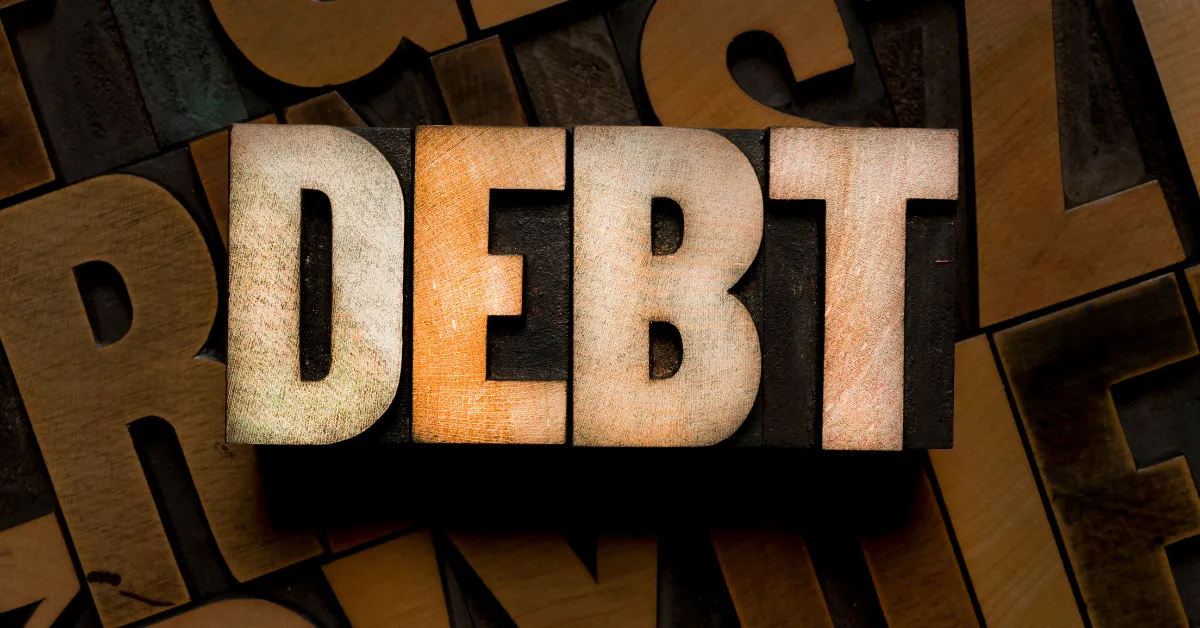
What Type of Debts can be settled?
Falling into debt can happen to anyone. An unexpected medical bill, job loss, or divorce can all lead to financial struggles. Deb settlement may be an option when you owe more money than you can afford to pay back. Debt settlement involves negotiating with creditors to pay back less than the full amount owed. However, not all debts qualify for settlement. Understanding what debts can and cannot be included in a debt settlement program is important.
Unsecured Debts That Can Be Settled
In general, unsecured debts like credit card debt, medical bills, personal loans, and repossessed car loans can potentially be settled. Unsecured debt means the debt is not tied to any asset that can be repossessed if you stop paying. Here are some common unsecured debts that may qualify for settlement:
Credit Card Debt
One of the most common types of debt that can be settled is credit card debt. If you've fallen behind on credit card payments, the credit card company may eventually agree to let you pay a portion of the balance owed rather than the full amount. Debt settlement companies negotiate with the credit card company on your behalf to settle the debt.
Medical Bills
Outstanding medical bills are another form of unsecured debt that may be settled for less. Hospital bills, ambulance fees, doctor visits, and other medical expenses can be negotiated down, often significantly lower than the original amount. Debt settlement can help reduce high medical bills that you're unable to afford.
Personal Loans
Personal loans from banks, credit unions, or online lenders can also fall under the debt settlement umbrella. If you borrowed money through a personal loan, settling this type of unsecured debt involves negotiating with the lender for a reduced payoff amount.
Deficiency Balance After Car Repossession
If your car was repossessed for missed payments, you may be left with a deficiency balance still owed after the vehicle is sold. The remaining deficiency debt can potentially be settled for less than you owe through debt settlement strategies. This can reduce the financial burden of the repossession.
Secured Debts Not Eligible for Settlement
While debt settlement may help with unsecured debts, few secured debt is not eligible for settlement. Secured debt is tied to an asset that can be seized as collateral if payments stop. Here are some examples of secured debts that generally cannot be settled:
Student Loans
Federal and private student loan debt is very difficult to settle because it is secured by future earnings and/or cosigners on the loan. Proving undue hardship is the only way to discharge federal student loans in bankruptcy.
Tax Debt
Outstanding taxes owed to the IRS are generally not able to be settled for pennies on the dollar. The IRS has strong enforcement capabilities like wage garnishment and tax liens to collect back taxes.
How Does Debt Settlement Work?
If you have unsecured debts like credit cards, medical bills, or personal loans that have become unmanageable, debt settlement may help reduce the amount owed. Here is a general overview of how debt settlement works:
You stop making payments to creditors and instead save money in a secure account. This helps show hardship.
A debt settlement company negotiates with the creditors on your behalf to settle for a lesser amount, often 40-60% lower than the balance owed.
You pay the negotiated settlement amount once a settlement offer is made.
The creditor considers the remaining balance paid off and closes the account.
Which Debts Should I Prioritize Settling?
If you decide debt settlement makes sense for your situation, you'll need to plan out which debts to tackle first with the funds you've set aside. Follow these steps to prioritize debts:
List all eligible unsecured debts from highest to lowest balance owed.
Consider settling the highest interest rate debts first to reduce amounts paid over time.
Look at debts that have already been sent to collections for aggressive settlement.
Review any debts causing essential services like utilities or insurance to be threatened to retain access.
Understand the settlement policies and trends of various creditors to maximize settlements.
Getting advice from a reputable debt settlement firm can help develop the optimal plan and order for seeking debt settlements tailored to your unique debts.
Seek Professional Guidance
While debt settlement can help resolve unsecured debts for less than you owe, it is not an easy fix or DIY solution. Reputable debt settlement companies have experience negotiating with a variety of creditors and customizing settlement plans to each client's debt profile.
Relying on debt settlement experts increases the likelihood of reducing debts significantly. They can guide you through each step of the process and deal with creditors on your behalf. Consider professional debt settlement help before trying to settle complex financial obligations on your own.

Debt FAQ's
What is debt settlement?
Debt settlement is a process where a debtor and creditor agree to settle a debt for less than the full amount owed. This can help the debtor pay off their debt more quickly and affordably than continuing to make minimum payments.
How does debt settlement work?
Our debt settlement program works by negotiating with your creditors to settle your debts for less than the full amount owed. You make regular payments into a savings account, which we use to negotiate with your creditors on your behalf. Once a settlement is reached, you make a one-time payment to settle the debt.
Will debt settlement affect my credit score?
Yes, debt settlement may have a negative impact on your credit score. However, if you’re already struggling with high levels of debt, your credit score may already be affected. Our goal is to help you become debt-free as quickly and affordably as possible, so you can start rebuilding your credit score.
What types of debt can be settled?
Generally, unsecured debts like credit card debt, medical bills, and personal loans can be settled through our debt settlement program. However, certain types of debt like student loans and tax debt cannot be settled through debt settlement
How long does debt settlement take?
The length of the debt settlement process can vary depending on your specific financial situation and the amount of debt you have. However, most of our clients are able to become debt-free in 24-48 months.
TESTIMONIALS
A few years ago, my husband and I enrolled in this program, and it was a lifesaver. It truly helped us out of a difficult situation.
Claire Martinez
I couldn’t have hoped for a better solution to help me with my debt. Second Start Financial has exceeded my expectations and helped me pay off my debt sooner than I anticipated. The approval process was quick and painless, and now I’m on my way to regaining control of my life and improving my creditworthiness. Thank you so much!
Samantha Bailey










At Second Start Financial, we are dedicated to helping you regain control of your life. Our mission is to provide you with effective debt relief solutions that address your unique financial situation.
Google Reviews

Subscribe to Newsletter


At Second Start Financial serves the following States only:
Alabama | Alaska | Arizona | Arkansas | California | Colorado | Florida | Georgia | Idaho | Illinois | Indiana | Iowa | Kentucky | Louisiana | Maryland | Massachusetts | Michigan | Mississippi | Missouri | Montana | Nebraska | Nevada | New Jersey | New Mexico | New York | Ohio | Oklahoma | Pennsylvania | South Dakota | Tennessee | Texas | Utah | Virginia | Wisconsin
Disclaimer:
Second Start Financial Inc is not a Broker or Lender. The role of Second Start Financial is to connect potential borrowers with lenders and financial service providers. Second Start Financial does not provide credit offers or solicit lending. The website and its operators solely offer a connection/matching service and are not agents, representatives, or brokers of any lender. They do not make credit decisions and do not charge potential borrowers for any loan or product.